Enhance Your Online Store with a Product Recommendation Quiz: Here’s How to Make It Work


Online shopping has become second nature for most people, but one problem persists: choice overload. When customers land on your store and see hundreds of products, they often feel lost. They spend time browsing, get frustrated, and leave without buying anything. This is where a product recommendation quiz can transform the shopping experience and boost your sales.
Table of Contents
Think about the last time you walked into a physical store. A knowledgeable salesperson probably approached you, asked a few questions about what you needed, and guided you to the perfect product. A product recommendation quiz does exactly that for your online store, but at scale. It asks targeted questions, understands customer preferences, and delivers personalized suggestions that match their needs.
Why Your Online Store Needs a Product Recommendation Quiz
The data speaks volumes about the effectiveness of these interactive tools. According to research from Interact published in their Quiz Conversion Rate Report 2026, the overall conversion rate when people start a quiz is 40.1%, meaning just over 4 out of 10 people will become a lead when using a quiz for marketing.
This number has remained consistent after generating over 80 million leads through quizzes, proving that this strategy works across different industries and time periods.
What makes a product recommendation quiz so powerful? It solves three major problems that online stores face:
- Decision Fatigue: When customers see too many options, they struggle to make choices. Your quiz narrows down the selection based on their specific needs, making the decision process easier and faster.
- Lack of Personal Connection: Online shopping can feel impersonal. A well-designed product recommendation quiz for ecommerce creates an engaging, one-on-one conversation with each customer.
- Poor Product Matching: Customers often buy products that don’t suit their needs, leading to returns and negative reviews. Your quiz ensures they get matched with products that actually work for them.
The beauty industry has particularly benefited from this approach. Research from RevenueHunt shared in their article on Product Quiz Metrics shows that businesses using product recommendation quizzes should expect conversion rates to increase from 2% to 5%, with average order values rising by 20%. These aren’t small improvements – they represent significant revenue growth for ecommerce businesses.
How Product Recommendation Quizzes Drive Sales
A product recommendation quiz doesn’t just entertain your visitors – it actively encourages them to make a purchase. Here’s how it works:
When customers take your quiz, they answer questions about their preferences, needs, and goals. This information helps your system recommend products specifically suited to them. The psychological effect is powerful: people trust recommendations based on their own input more than generic product listings.
Consider the impact on different metrics. According to Digioh’s research on eCommerce quizzes, CrazyBulk achieved a 141% boost in conversion rates and a 16% increase in average order value after implementing a product recommendation quiz. Their quiz helps customers navigate supplement offerings by understanding fitness goals and experience levels, making product selection feel personal and informed.
How to Create a Product Recommendation Quiz for an Online Store: Step-by-Step Guide
Creating an effective quiz requires planning and strategy. Here’s how to do it right:
Start With Clear Objectives
Before you build anything, define what you want to achieve. Are you trying to increase average order value? Reduce cart abandonment? Collect customer data? Your objectives will shape every aspect of your quiz design.
Design Questions That Matter
The quality of your recommendations depends entirely on the questions you ask. Focus on information that genuinely helps match customers with products:
- Basic Information: Hair type, skin concerns, fitness level, style preferences
- Goals and Challenges: What problems are they trying to solve?
- Preferences: Budget range, brand preferences, ingredient concerns
Keep questions simple and use multiple-choice formats. Research from Digioh shows that open-ended questions have higher abandonment rates than other types of questions. Using mostly multiple-choice questions keeps users engaged throughout the experience.
Create a Logic System
Your quiz needs intelligent logic that connects answers to appropriate products. This might involve:
- Assigning point values to different answers
- Creating product tags that match quiz responses
- Setting up conditional logic that shows different questions based on previous answers
For complex product catalogs, consider working with quiz platforms that offer advanced logic builders and product mapping features.
Design an Engaging Results Page
The results page is where conversions happen. Make it count by:
- Showing 3-5 carefully selected product recommendations
- Explaining why each product matches their needs
- Including clear calls-to-action with “Add to Cart” buttons
- Offering bundle discounts for multiple recommended products
Test and Optimize
Launch your quiz and monitor performance closely. Track metrics like completion rate, time spent on quiz, and conversion rate from quiz to purchase. Make adjustments based on what the data tells you.
Real-World Success: Function of Beauty’s Hair Quiz
One of the most successful examples of a product recommendation quiz in action comes from Function of Beauty, a customized hair care brand. Their hair quiz has become the cornerstone of their business model, demonstrating how powerful this tool can be when implemented correctly.
According to data from their implementation, the quiz to personalized subscription experience supports 80% of their business, which equates to over a million quiz engagements per year. The platform they used needed to handle significant traffic, requiring the ability to support 5x their prior site engagements without any impact to performance.
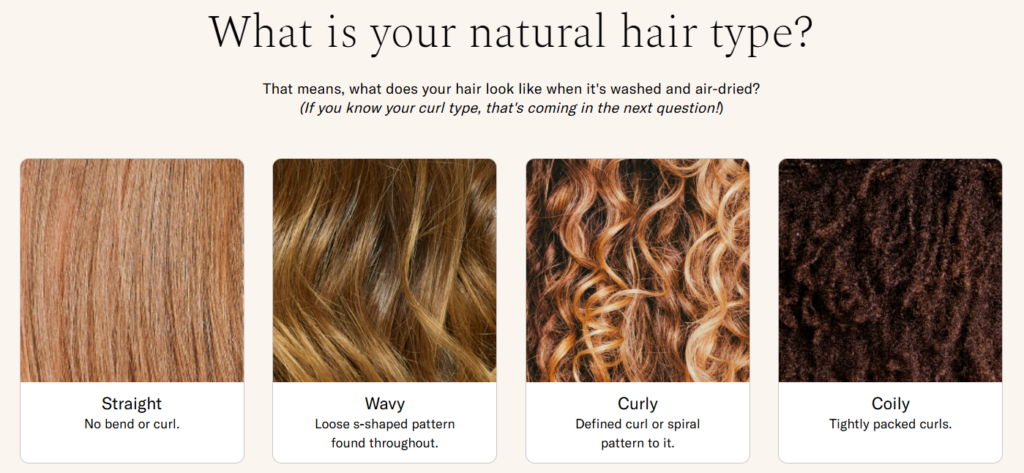
What makes their quiz effective:
- Complete Customization: Questions about hair type, structure, scalp moisture, and specific hair goals like moisturizing, anti-frizz, or curl definition
- Personalization Beyond Products: Customers can even choose their preferred fragrance and bottle color
- Custom Branding: Products arrive with the customer’s name printed on the bottle
This massive scale proves that customers are willing to spend time answering questions when they know they’ll receive personalized recommendations.
How to Create a Product Recommendation Quiz for an Online Store: Best Practices
Based on successful implementations and research data, follow these best practices:
Keep It Short and Focused
Aim for 5-8 questions maximum. According to Interact’s research, the start-to-finish completion rate averages 65%, meaning about two-thirds of people who start a quiz will answer all questions. Longer quizzes risk losing engagement.
Make It Visual
Include images in your questions when possible. Visual elements make the quiz more engaging and help customers better understand their options.
Provide Value Beyond Products
Even if someone doesn’t purchase immediately, collect their email address and provide useful content related to their quiz results. This builds your email list and creates future sales opportunities.
Mobile-First Design
Most people will take your quiz on their phones. Test thoroughly on mobile devices and ensure all elements are easily tappable and readable on smaller screens.
Follow Up Strategically
Send personalized follow-up emails to quiz takers. Remind them of their recommendations, share additional tips, and offer special discounts to encourage conversion.
Measuring Success: Key Metrics to Track
Understanding whether your product recommendation quiz for ecommerce is working requires monitoring specific metrics:
- Quiz Start Rate: What percentage of visitors who see the quiz actually start it?
- Completion Rate: How many people finish once they begin?
- Quiz-to-Purchase Conversion: What percentage of quiz completers make a purchase?
- Average Order Value: Do quiz takers spend more than regular customers?
- Email Capture Rate: How many quiz takers provide their contact information?
Set benchmarks based on industry standards and continuously work to improve these numbers. Small improvements in completion rate or conversion can dramatically impact revenue.\
Advanced Strategies for Quiz Optimization
Once your basic quiz is running, consider these advanced tactics:
Dynamic Product Recommendations
Use algorithms that consider multiple factors simultaneously – not just quiz answers but also browsing history, season, and inventory levels.
Segmented Email Sequences
Create different email nurture sequences based on quiz results. Someone looking for anti-aging products needs different follow-ups than someone seeking acne solutions.
Retargeting Integration
Set up retargeting ads that show quiz results to people who completed the quiz but didn’t purchase. This reminder can bring them back to complete the transaction.
Social Proof Integration
Show how many people have taken the quiz and purchased recommended products. This builds trust and encourages action.
Getting Started Today
Ready to create your first product recommendation quiz? Start by mapping out your products and identifying the key factors that determine which items suit which customers. Then draft 5-7 questions that uncover these factors. Test your quiz with real customers and refine based on their feedback.
Remember, the goal isn’t perfection on day one. Launch a working quiz, collect data, and continuously improve. The sooner you start, the sooner you’ll benefit from higher conversion rates and happier customers.
Frequently Asked Questions
How long should my product recommendation quiz be?
Keep your quiz between 5 and 8 questions for optimal completion rates. Research shows that 65% of people who start a quiz will complete it, but longer quizzes risk higher abandonment.
What conversion rate should I expect from my product recommendation quiz for ecommerce?
Based on industry data, around 40% of people who start your quiz will complete it. For purchases, quiz conversion rates typically improve from a baseline of 2% to 5%, though results vary by industry.
Do I need technical skills to create a product recommendation quiz for my online store?
No, modern quiz builders offer drag-and-drop interfaces that integrate with platforms like Shopify and WooCommerce. These tools handle the technical aspects without requiring coding knowledge.
How do I know which products to recommend based on quiz answers?
Create a product mapping system where each answer corresponds to specific product attributes or tags. Start simple with basic logic and refine over time based on which recommendations lead to purchases.
Should I require an email address before showing quiz results?
This depends on your strategy. Requiring an email before results captures more leads but may reduce completion rates. Many brands show results first, then offer additional value in exchange for an email address.